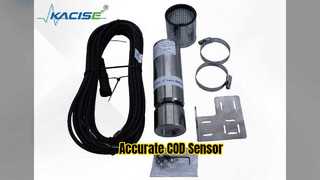
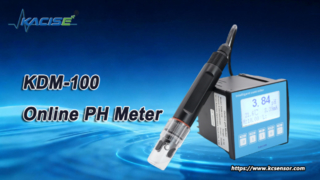
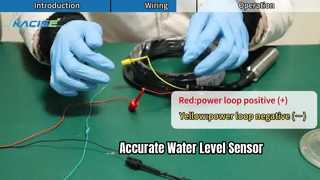
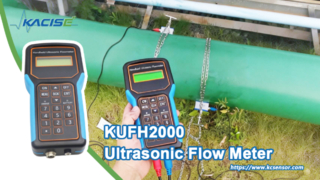
KWS-200 Series Ammonia Nitrogen Sensor calibration video

Water quality sensor
January 30, 2026
Category Connection: Water Quality Sensor
Brief: Wondering how to properly calibrate your KWS-200 ammonia nitrogen sensor for optimal performance? This video provides a clear, step-by-step walkthrough of the calibration process, demonstrating how to ensure accurate and stable readings in your water quality monitoring applications.
Related Product Features:
  • Reagent-free operation eliminates chemical costs and environmental pollution.
  • Automatic pH and temperature compensation ensures measurement accuracy in varying water conditions.
  • Digital sensor technology provides precise and stable ammonia nitrogen detection.
  • Built-in self-cleaning brush prevents microbial adhesion and reduces maintenance needs.
  • RS-485 output with MODBUS protocol support enables seamless system integration.
  • IP68 protection rating allows submersion up to 10 meters underwater.
  • Wide measurement range of 0-1000mg/L NH4-N with 0.1 mg/L resolution.
  • Compact design with customizable cable length for flexible installation.
FAQs:
  • What makes the KWS-200 ammonia nitrogen sensor more economical than traditional sensors?
    The KWS-200 is reagent-free, eliminating the ongoing cost and waste associated with chemical reagents used in traditional sensors, making it both cost-effective and environmentally friendly.
  • How does the sensor maintain accuracy in different water conditions?
    It features automatic compensation for pH (range 4-10) and temperature (0-50°C) fluctuations, ensuring reliable ammonia nitrogen readings across varying environmental parameters.
  • What integration options are available for the KWS-200 sensor?
    The sensor provides RS-485 output and supports the MODBUS communication protocol, allowing easy connection to existing monitoring systems and SCADA platforms for seamless data collection.
  • What maintenance is required for the KWS-200 sensor?
    The built-in self-cleaning brush automatically prevents microbial adhesion, significantly reducing maintenance needs and ensuring long-term operational stability with minimal manual intervention.