


 english
 français
 Deutsch
 Italiano
 Русский
 Español
 português
 Nederlandse
 ελληνικά
 日本語
日本語
 한국
한국
 العربية
 हिन्दी
 Türkçe
 indonesia
 tiếng Việt
 ไทย
ไทย
 বাংলা
বাংলা
 فارسی
فارسی
 polski
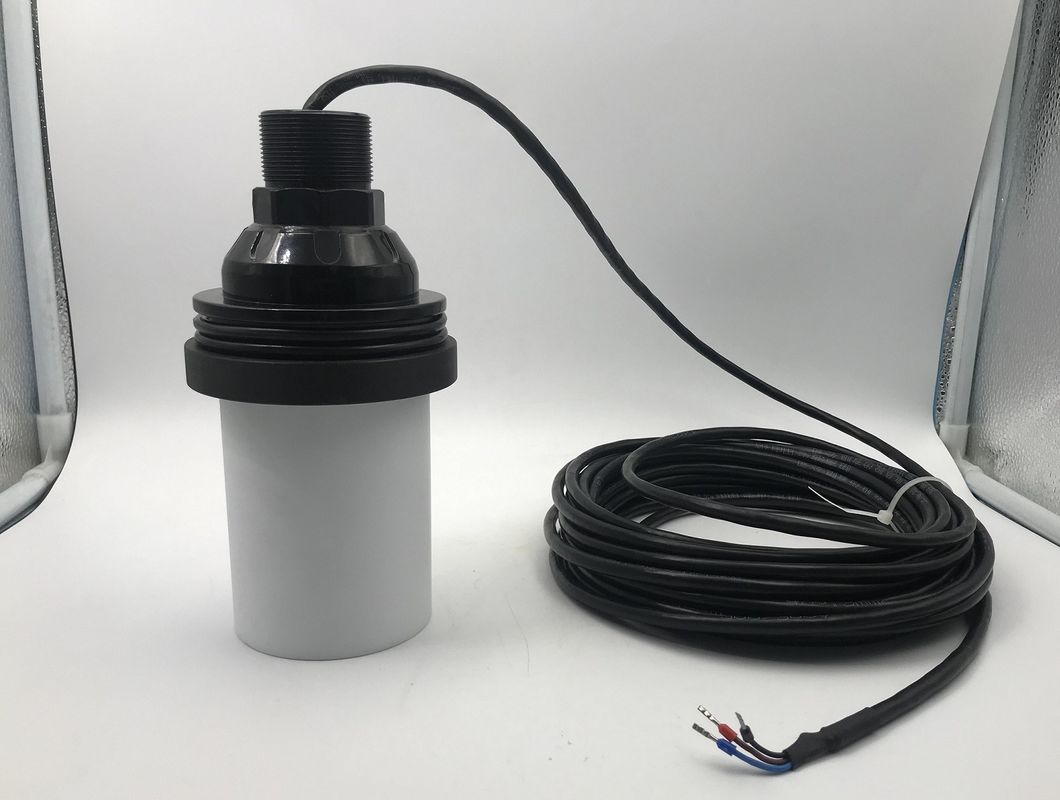
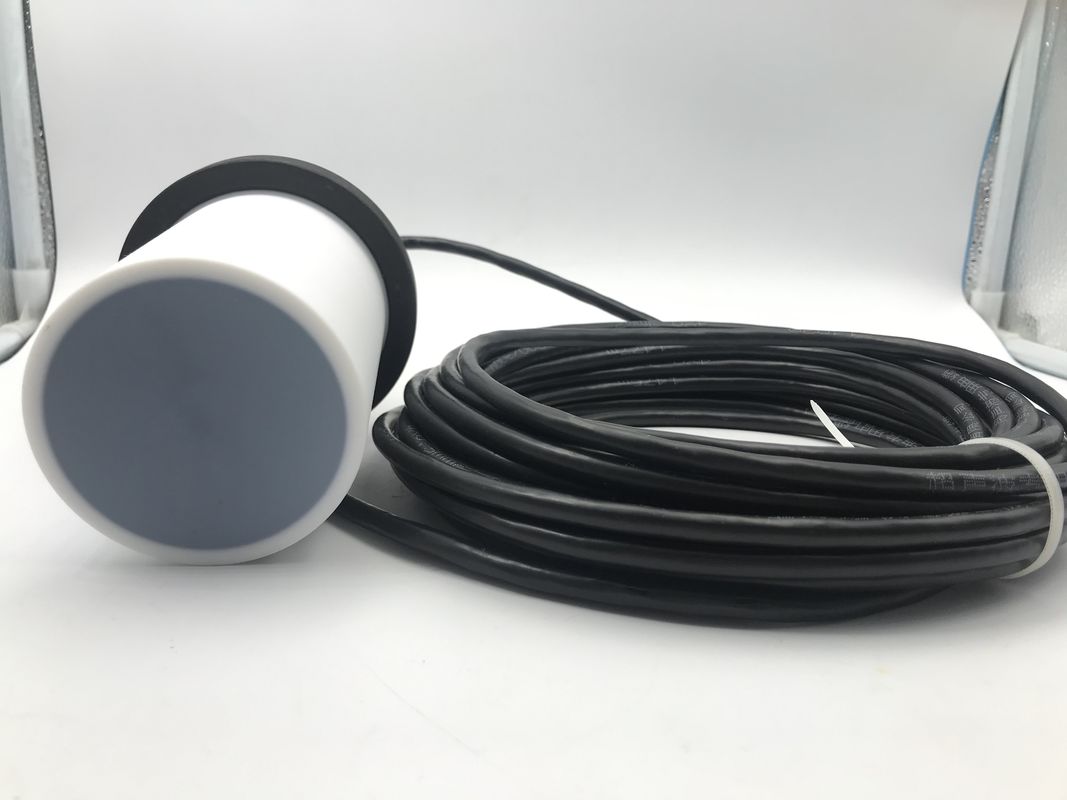
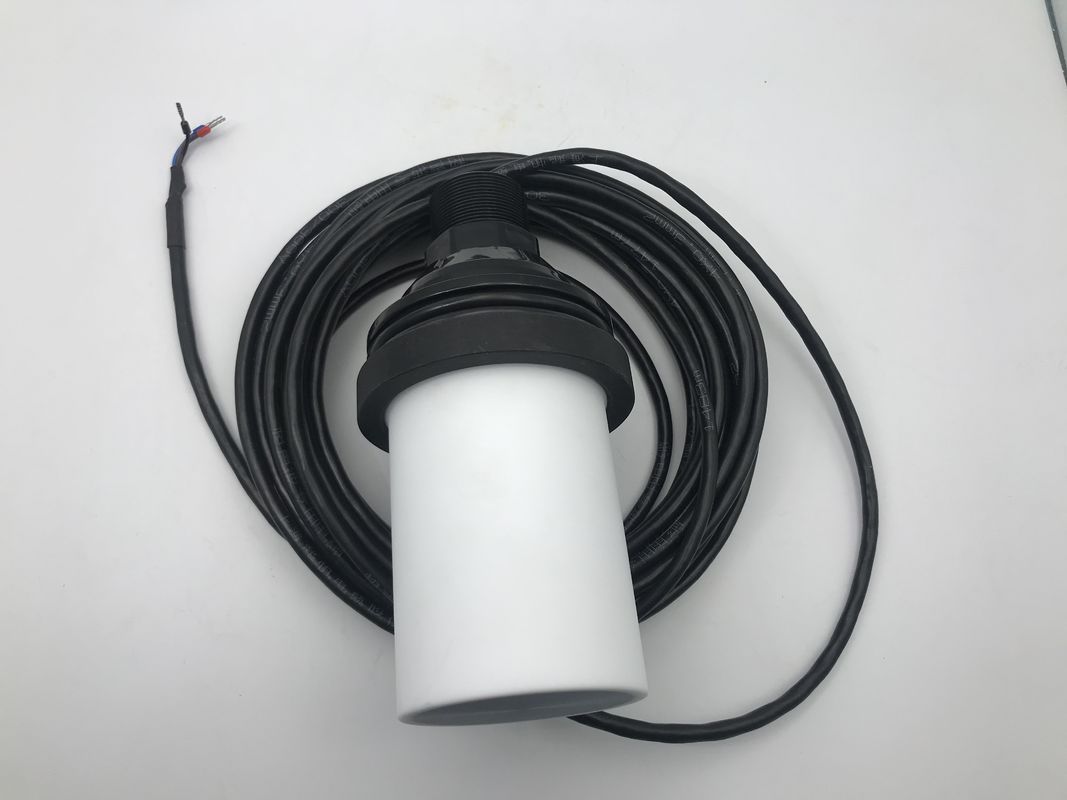

An ultrasonic sensor functions as a device converting ultrasonic signals into electrical signals. These signals result from mechanical waves with vibration frequencies exceeding 20kHz, commonly known as ultrasonic waves. Noteworthy characteristics of ultrasonic waves include their high frequency, short wavelength, minimal diffraction, excellent directionality, and the ability to propagate directionally as rays.
Ultrasonic waves exhibit significant penetration capabilities in both liquids and solids, particularly in situations involving solids that are impervious to sunlight. When encountering impurities or interfaces, ultrasonic waves generate notable reflections and reflection echoes. Moreover, their interaction with moving objects induces the Doppler effect.
The KUA series ultrasonic transducer, designed for liquid level and general level measurements, offers a measurement range from 0.5 to 12m. Operating effectively within a temperature range of -40 to 80℃, this transducer demonstrates adaptability to extreme environmental conditions. With an IP68 protection class, the sensor ensures resilience in challenging settings. The combined weight of the sensor and its 10m cable is precisely regulated at 930±5%, contributing to its reliability in various applications requiring precise distance measurements.
